Rocket Pilot Font: Retro Display Type for Crafts
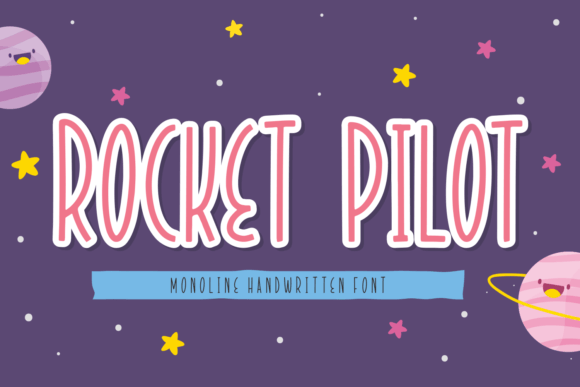
As makers and small business owners, we know that the right typeface can be the difference between a product that looks homemade and one that looks professionally designed. When browsing through design assets for our next collection of stickers, apparel, or printable wall art, finding a font with genuine character is essential. Rocket Pilot is a retro-inspired display font that captures this specific need perfectly. It exudes an air of nostalgia with bold, chunky letterforms and quirky details that harken back to a bygone era, yet it remains fresh enough for modern commercial projects. For those of us running Etsy shops, creating Cricut vinyl decals, or designing wedding stationery, this typeface offers a playful style and eye-catching design that translates beautifully from screen to physical product.
Capturing Nostalgia in Physical Products
The visual personality of Rocket Pilot is rooted in mid-century aesthetics, making it an incredible choice for creators focusing on vintage, farmhouse, or retro-modern niches. However, unlike some novelty fonts that sacrifice legibility for style, Rocket Pilot maintains strong readability. This balance is crucial when you are selling items where the customer needs to read the text quickly, such as product labels or signage. The chunky weight of the letters provides excellent ink coverage on paper products and ensures clean cuts when using vinyl cutters or laser engravers. Whether you are designing a welcome sign for a rustic wedding or a label for a small-batch candle line, the font’s inherent charm adds perceived value and emotional appeal to your handmade goods.
Practical Applications for Makers and Sellers
Versatility is key when investing in premium fonts for a creative business. You need a workhorse typeface that can adapt to various mediums without losing its identity. Rocket Pilot shines across a wide spectrum of craft and product-based projects:
- Product Packaging and Labels: The bold structure makes it ideal for jar labels, box packaging, and hang tags. It stands out on shelves and photographs well for social media mockups, helping customers recognize your brand identity instantly.
- Apparel and Textiles: For t-shirts, tote bags, and sweatshirts, the thick strokes hold up beautifully during screen printing, heat transfer vinyl (HTV) application, and embroidery digitizing. The retro vibe pairs naturally with nostalgic slogans or location-based designs.
- Stationery and Invitations: Use it for the main headers on birthday invitations, baby shower cards, or save-the-dates. Its playful nature sets a joyful tone while remaining sophisticated enough for formal events when paired correctly.
- Digital Downloads and Printables: If you sell editable templates or wall art, Rocket Pilot serves as a stunning focal point. It works exceptionally well for nursery decor, kitchen conversion charts, or seasonal planners where a touch of vintage warmth is desired.
- Signage and Decor: From wooden porch signs to acrylic table numbers, the font’s geometry allows for easy weeding and assembly. It reads clearly from a distance, which is vital for event signage and home decor pieces.
Mastering Font Pairings for Commercial Design
While Rocket Pilot is a star performer for headlines and short phrases, it is rarely used alone in professional layout design. To create cohesive, high-end products, you must master font pairing. Because Rocket Pilot is a bold display font with significant personality, it requires supporting typefaces that provide contrast and breathing room. Avoid pairing it with other heavy display fonts or overly ornate scripts, as this creates visual clutter and reduces readability.
For a clean, modern-retro look, pair Rocket Pilot with a simple sans serif font like Montserrat or Lato. The geometric neutrality of the sans serif balances the quirky curves of Rocket Pilot, making body text on product descriptions or invitation details easy to read. Alternatively, for a softer, more romantic aesthetic suitable for weddings or feminine branding, combine it with a delicate handwritten font or a flowing script. The contrast between the chunky, structured retro letters and the organic, fluid lines of a script creates dynamic tension that draws the eye. Always ensure your secondary font supports multilingual characters if you plan to sell internationally, maintaining consistency across all language variations of your products.
Technical Considerations for Cutting and Printing
When moving from digital design to physical production, technical details matter. Rocket Pilot’s bold letterforms are generally cutter-friendly, but there are best practices to ensure success. For Cricut and Silhouette users, the thickness of the strokes means less risk of tearing during weeding compared to thin serif fonts. However, always check the spacing (kerning) before cutting. Retro fonts sometimes have unique metrics; adjusting the letter spacing slightly can improve legibility on small stickers or curved surfaces like mugs and tumblers.
For print products, verify the file formats included with your purchase. OTF and TTF files are standard for desktop publishing and word processing templates, while SVG files are necessary for scalable vector graphics in cutting software and web design. If you are creating layered designs, check for included alternates, ligatures, or swashes. These extra glyphs allow you to customize the typeface so no two products look exactly identical, adding a bespoke feel that mass-produced competitors cannot match. Always preview your design at actual size before finalizing production; what looks bold on a 27-inch monitor might need slight weight adjustments when printed at two inches tall.
Navigating Licensing for Small Businesses
One of the most critical aspects of using creative fonts commercially is understanding licensing. As sellers, we must protect our businesses by ensuring we have the right to use our design assets. Rocket Pilot typically comes with specific terms regarding commercial use. Before listing any product featuring this typeface, review the license agreement carefully. Most personal licenses do not cover selling physical products, digital downloads, or client work. You will likely need to upgrade to a commercial license or an extended commercial license depending on your sales volume and product type.
Proper licensing is not just about legal compliance; it is about respecting the type designer’s craft and ensuring the longevity of the font marketplace. When you purchase the correct commercial license, you gain peace of mind knowing your shop is secure. Additionally, keeping records of your font licenses is a best practice for business organization. Should a platform like Etsy or Amazon ever request proof of rights to use a specific design element, having your commercial license receipt readily available demonstrates professionalism and legitimacy. Investing in the proper license for Rocket Pilot is an investment in the sustainability and integrity of your handmade business.