Vitruvian Font: Vintage Charm for Handmade Products
As makers and small business owners, we know that typography is often the difference between a product that looks homemade and one that looks professionally curated. Finding a display font that balances eccentric personality with commercial readability is a constant challenge in the craft community. Vitruvian answers this need by offering a unique typeface that brings genuine vintage charm to physical products and digital designs alike. This is not just another retro novelty; it is a functional design asset that harkens back to a bygone era while remaining perfectly suited for modern production methods like Cricut cutting, laser engraving, and professional printing.
Defining the Visual Personality of Vitruvian
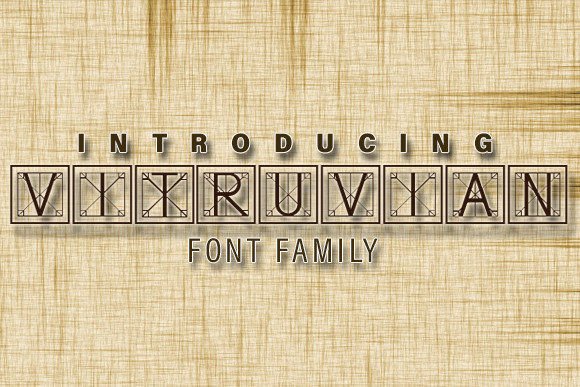
Vitruvian stands out in the crowded marketplace of creative fonts because of its specific quirks and nostalgic details. Unlike standard serif fonts that can feel too formal or rigid, Vitruvian possesses an eccentric character that feels human and hand-touched. The letterforms carry the weight of traditional signage and antique packaging, making them ideal for creators who want to evoke warmth and history. For those of us designing brand identities or packaging, this font provides an instant layer of perceived quality. It suggests that a product has a story, which is exactly the emotional connection customers look for when buying handmade goods, artisanal foods, or bespoke stationery.
The visual texture of this premium font works exceptionally well at larger sizes where those quirky details can shine without compromising legibility. Whether you are designing a shop sign or a digital download, the distinct shapes create immediate visual interest. However, unlike many distressed or grunge display fonts, Vitruvian maintains clean lines that reproduce beautifully across different media. This clarity is essential for maintaining brand consistency, ensuring your logo on a business card matches the aesthetic of your Instagram templates and product tags.
Practical Applications for Labels and Packaging
For sellers of physical goods, packaging design is where Vitruvian truly excels. The font’s structure is robust enough to serve as the primary typeface for candle labels, soap wrappers, and pantry jar stickers. When creating product labels, readability is non-negotiable; customers must be able to identify the scent, flavor, or product name instantly. Vitruvian strikes a balance between decorative flair and functional communication. Its vintage aesthetic pairs naturally with textured papers, kraft materials, and matte finishes, elevating simple packaging into a premium unboxing experience.
- Candle and Wax Melts: Use Vitruvian for the fragrance name to evoke nostalgia and comfort, pairing it with a clean sans serif for safety warnings and ingredients.
- Boutique Clothing Tags: The font’s eccentric details add a high-end, thrift-store-chic vibe to size tags and care labels for handmade apparel.
- Artisanal Food Packaging: Perfect for jam jars, spice blends, or bakery boxes where a farmhouse or heritage aesthetic supports the value proposition of the food.
- Skincare and Bath Products: Creates a sense of old-world apothecary luxury on amber bottles and minimalist tubes.
Elevating Stationery, Invitations, and Printables
Stationery designers and printable creators will find Vitruvian to be a versatile workhorse for wedding suites and event collateral. In the world of invitation design, trends cycle quickly, but vintage typography remains timelessly appealing. This font is particularly effective for welcome signs, seating charts, and menu headers where you need a display font that commands attention without overwhelming the layout. Because the characters have such distinct personalities, they reduce the need for excessive ornamental graphics, allowing the typography itself to serve as the decoration.
For digital download sellers, Vitruvian adds significant value to wall art prints and planner covers. When designing printable wall art, the goal is often to create something that looks like it was sourced from an antique market. Using this typeface allows you to produce typographic posters that fit seamlessly into modern farmhouse, cottagecore, or eclectic interior design schemes. Similarly, for digital planners and journaling kits, using Vitruvian for monthly headers or section dividers breaks up the monotony of standard system fonts, giving your digital product a tactile, crafted feel that justifies a higher price point.
Technical Considerations for Cutting Machines and Production
As crafters who frequently use vinyl cutters and laser engravers, we must consider how a font translates from screen to machine. Vitruvian is designed with production in mind. While it features unique quirks, the paths are generally smooth enough for cutting machines like Silhouette and Cricut to handle without excessive node editing. However, because it is an eccentric display font, testing is always recommended before committing to a large batch of decals or iron-on transfers.
When working with heat transfer vinyl (HTV) for tote bags or shirts, ensure that the thinner strokes of the letterforms are wide enough to adhere properly after pressing. If you are creating small stickers or intricate cake toppers, avoid scaling Vitruvian down below 0.75 inches, as the fine vintage details may get lost or tear during weeding. For laser engraving on wood or acrylic, this font performs beautifully because the contrast between thick and thin strokes creates natural depth. Always run a test cut or engrave on scrap material to verify that the specific quirks of the typeface render clearly at your intended size.
Strategic Font Pairing for Professional Results
To maximize the commercial utility of Vitruvian, thoughtful font pairing is essential. Because this is a display font with strong character, it should typically take center stage as the headline or focal text. Pairing it correctly ensures your design remains readable and balanced rather than chaotic.
- Vitruvian + Clean Sans Serif: This is the safest and most commercially viable pairing. A geometric or neutral sans serif font grounds the eccentricity of Vitruvian, providing necessary contrast for body text, pricing, or contact information. This combination looks modern yet rooted in tradition.
- Vitruvian + Delicate Script: For wedding invitations or feminine branding, pair Vitruvian with a flowing handwritten font. Use Vitruvian for the couple’s names or main titles and the script for secondary details. Ensure the script is not too ornate, or the two decorative styles may clash.
- Vitruvian + Simple Serif: For a fully vintage or academic aesthetic, combine Vitruvian with a traditional serif font. This works well for book covers, literary printables, or heritage brand logos. Keep the serif understated to let Vitruvian’s unique quirks remain the star.
Licensing and Commercial Use for Makers
Before incorporating any new typeface into your shop, verifying the licensing terms is a critical step for protecting your business. Vitruvian is positioned as a commercial font resource, but you must confirm the specific license tier that applies to your usage. Most standard desktop licenses cover physical end products like mugs, shirts, signs, and printed stationery sold in limited quantities. However, if you plan to use the font in editable templates for Canva or Corjl, create SVG files for resale, or embed the font in software or apps, you will likely require an extended or special commercial license.
Always check the included file formats to ensure compatibility with your workflow. OTF and TTF files are standard for design software and cutting machine native apps, while WOFF files are necessary if you intend to use Vitruvian for web design on your Shopify or WordPress store. Additionally, review the documentation for multilingual support and OpenType features. Access to ligatures, alternates, and swashes can significantly expand the versatility of the font, allowing you to customize logos and headlines so they do not look identical to other sellers using the same typeface. Respecting these licensing boundaries not only keeps your shop compliant but also supports the type designers who create these essential tools for our creative businesses.